
Helpful Resources, No Hype.
Plain-language content to help business owners make better technology decisions — from internet to cloud, security, and beyond.
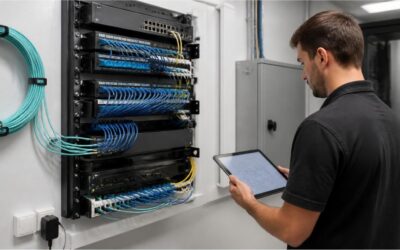
How a Backup Fiber Project Avoided Six-Figure Construction Costs
A national food distributor headquartered in Western New York needed a new backup fiber circuit....

How Multi-Location Organizations Lose Visibility Into Utility Costs
Utility costs rarely become difficult to manage overnight. The complexity builds gradually. A new...

Why Utility Bills Should Be Reviewed Before They Become a Budget Problem
Utility bills are easy to ignore when they look normal. The invoice arrives.The amount seems close...

How Multi-Location Organizations Lose Visibility Into Utility Costs
Utility expenses rarely become difficult to manage all at once. The complexity builds gradually. A...

Why Utility Bills Should Be Reviewed, Not Just Paid
Utility bills are often treated as fixed operating expenses. The invoice arrives.The amount looks...

How to Verify Whether a Backup Internet Circuit Is Truly Diverse
Buying backup connectivity seems straightforward. Choose a second provider, install another...

A Second Fiber Circuit Is Not Always a True Backup
A large multi-location manufacturer recently needed backup connectivity for a remote facility in...

How to Standardize Voice and Connectivity Decisions Across Locations
For multi-location organizations, voice and connectivity decisions are rarely made all at once....

Why Telecom Costs Creep Up Across Multi-Location Organizations
Telecom costs rarely get out of control because of one major decision. More often, they creep up...

Why Technology Decisions Get More Expensive Over Time Without Structure
Most technology environments are not designed all at once. They evolve gradually. A new provider...

Why Businesses Often Misdiagnose Technology Problems
When businesses experience technology problems, the first assumption is usually straightforward....

Why Vendor Recommendations Alone Are Not a Technology Strategy
Most organizations rely heavily on vendors during technology decisions. That makes sense. Vendors...

Why Technology Decisions Become Harder as Organizations Grow
Most technology decisions are relatively simple early on. A business is smaller.Fewer systems are...

How to Evaluate Technology Decisions Across Multiple Locations
In multi-location organizations, technology decisions are rarely simple. Each location has:...

Why Multi-Location Technology Decisions Break Down Over Time
Most multi-location organizations don’t intentionally design their technology environment. It...

What to Fix Before Blaming Your WiFi
When WiFi issues show up, the assumption is usually straightforward: “The WiFi isn’t good.” But in...

How to Evaluate Internet Upgrades Without Overpaying or Overbuilding
When businesses start experiencing performance issues, the first instinct is often: “Let’s upgrade...

The Difference Between “Working Internet” and “Reliable Operations”
Most organizations have internet that “works.” Pages load.Systems connect.Business continues. But...

Why Connectivity Is No Longer Just an IT Decision
For many organizations, connectivity has traditionally been treated as an IT responsibility. Get...

How Standardized Connectivity Reduces Day-to-Day IT Friction
Many IT challenges in multi-location organizations aren’t caused by technology failures. They’re...

What Improves After Moving Off MPLS (When It’s Done Right)
Many organizations move off MPLS expecting lower costs and more flexibility. Sometimes they get...

How Vendor-Led Network Designs Create Long-Term Lock-In
Many organizations rely on vendors to guide network decisions. That’s not inherently a problem....

The Risk of Replacing MPLS Without a Network Strategy
Many organizations are moving away from MPLS. The reasons are valid: Cost Flexibility Cloud...

When Does SASE Make Sense (And When It Doesn’t)?
SASE (Secure Access Service Edge) is gaining attention as organizations rethink both networking...